IB Primary Year Programme : Play-Based Learning聽
Play-based learning is a common term in the early childhood education world. But what does it really mean? Play-based learning is a type of early childhood education based on child-led and open-ended play. Play itself is a voluntary, enjoyable activity with no purpose or end goal. Believe it or not, activities like this guide their own learning with their curiosity and interests.
Play-based learning includes some elements like, A child voluntary chooses to play, how they鈥檒l play, and for how long, Play is enjoyable for the child along with emotional aspect is important, A child has ample time to explore and discover during play, and playing often involves imagination, 鈥榤ake believe鈥�, or 鈥榩laying pretend鈥�.Play-based learning helps a child develop holistically through social-emotional learning, developing confidence and motivation, practicing cognitive skills, cultural and linguistic backgrounds, and offers authentic opportunities for students to begin their exploration and development of the IB聽learner profile. The academic or traditional approach to early childhood education is more focused on teaching young children cognitive skills and knowledge through structure and routine.
A fundamental part of effective education in the PYP early years is the creation of safe, stimulating and inviting learning spaces that promote exploration, wonder, creativity, risk-taking and learning through play.
鈥淧lay is the work of the child.鈥� 鈥� Maria Montessori
I facilitate the children’s individual interests, needs, growth, and learning. I have experienced, how children can learn so much from simply “playing”.Happy playing!
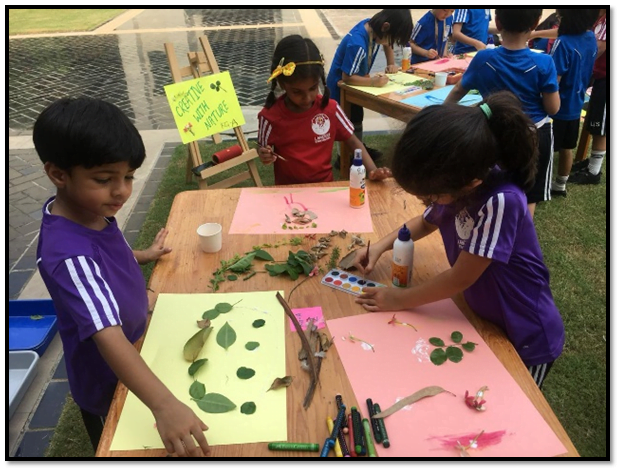
I have witnessed first-hand how the learning changed when our students were a part of the 鈥淲eek Without Walls鈥�. The Week Without Walls was full of opportunities to learn through Play-based learning. The week we were part of exciting activities like, Be a Scientist, Kid Fit Day, Creative with Nature and Playdate in Funbox. Students developed self-regulation through play, modelling behaviours, language, group games, and music and movement. Through these activities they displayed the attribute of being an inquirer, risk-taker, knowledgeable and caring. Through this experience, they enhanced their thinking, research, creative, social and gross motor skills.
One of the parent shared the feedback for Week Without Walls, 鈥淲eek Without Walls is a fun and engaging way to teach children team and social skills outside the classroom. My daughter thoroughly enjoyed every day of the week and all activities planned and she was super excited to go to especially during this week鈥�.


